
Ready-to-Eat Food: Is It Healthy, Safe and Worth Buying?
Ready-to-eat food has become a convenient choice for people who want something quick without spending a lot of time in the kitchen. From packaged meals and snacks to Indian favourites like pani puri and chaat, ready-to-eat foods are now available in many forms.
But convenience often comes with questions.
Is ready-to-eat food healthy? Does it contain preservatives? Is it safe? Does it taste as good as freshly prepared food? How long does it last?
The answer depends on the product, ingredients, preparation method, packaging and storage.
In this guide, we answer the most common questions about ready-to-eat food and explain what you should look for before buying it.
What Is Ready-to-Eat Food?
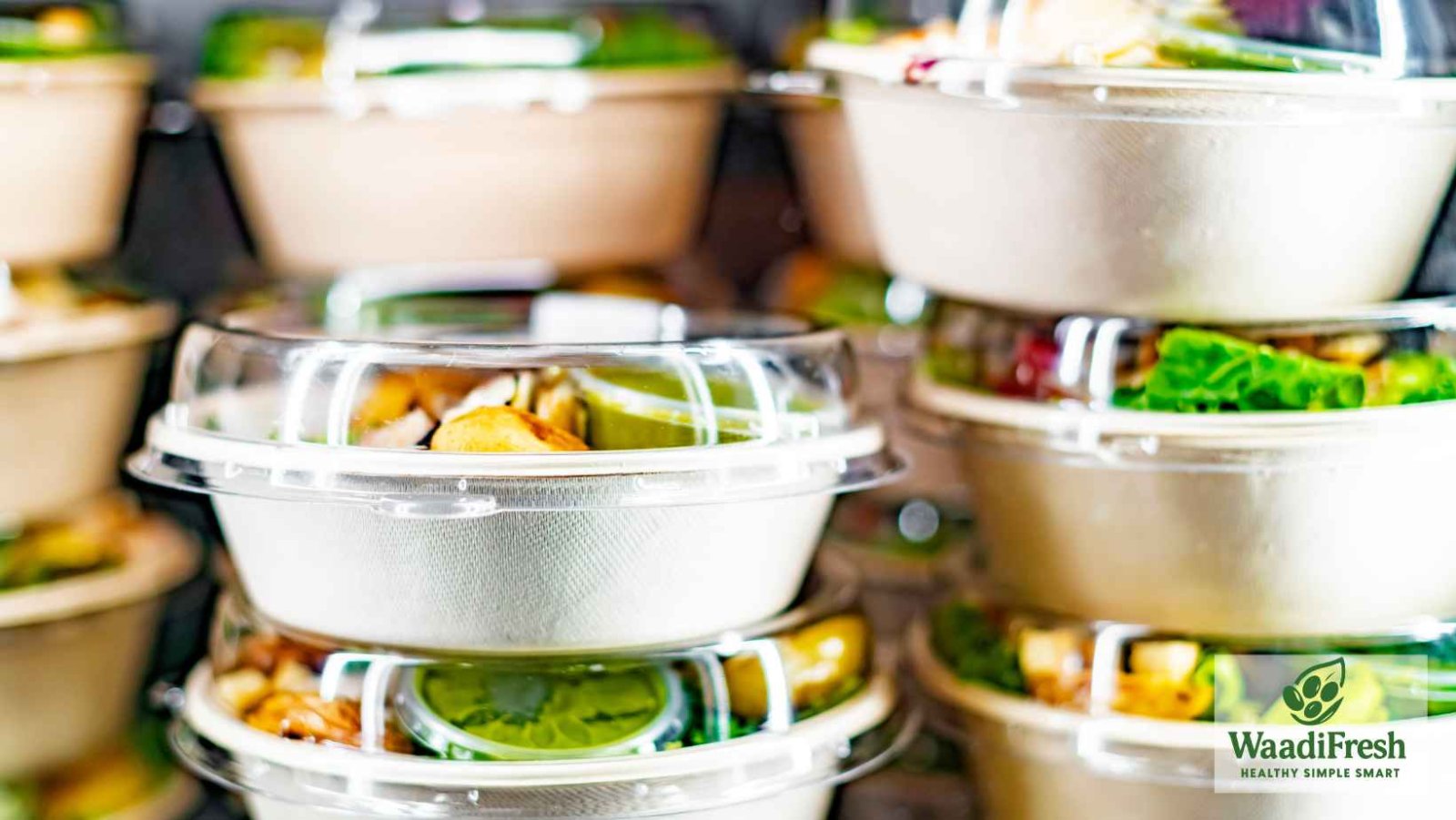
Ready-to-eat food is food that can be consumed with little or no cooking or preparation.
Depending on the product, you may simply need to:
-
Open the package
-
Assemble the ingredients
-
Heat the food
-
Add a sauce or chutney
-
Serve and eat
The main idea is simple: the food saves you preparation time.
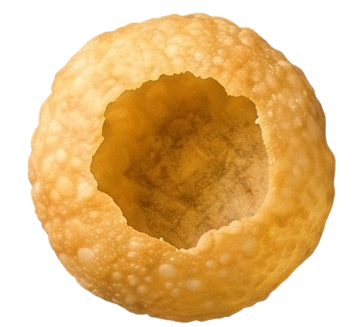
For example, a ready-to-eat pani puri kit can provide the main ingredients together, allowing you to enjoy pani puri at home without preparing every component from scratch.
Is Ready-to-Eat Food Healthy?
Ready-to-eat food is not automatically unhealthy or healthy. It depends on the individual product.
Some ready-to-eat foods may contain balanced ingredients, while others can be high in salt, sugar, fat or calories.
Instead of judging a product only because it is packaged or ready-to-eat, check:
-
The ingredient list
-
Nutrition information
-
Serving size
-
Amount of added sugar
-
Sodium or salt content
-
Type and amount of fat
-
Protein and fibre
-
Expiry or best-before date
-
Storage instructions
A simple rule is:
Don't judge the food by the words "ready-to-eat." Check what is actually inside the packet.
Ready-to-eat food can be part of a balanced diet when you choose products carefully and eat them in appropriate portions.
Does Ready-to-Eat Food Contain Preservatives?
Not every ready-to-eat food contains preservatives.
The method used to keep a food product safe and stable depends on the type of food and how it is processed and packaged.
Food manufacturers may use methods such as:
-
Heat processing
-
Refrigeration
-
Freezing
-
Vacuum or protective packaging
-
Hygienic processing
-
Approved food preservatives, where applicable
Therefore, it is better not to assume that every packaged food contains preservatives.
If you want to know whether a particular product contains preservatives, check its ingredient list and product label.
Is Ready-to-Eat Food Safe?
Yes, ready-to-eat food can be safe when it is properly manufactured, packaged, stored and handled.
However, safety does not end when the product leaves the factory.
Consumers should also:
-
Check that the package is properly sealed.
-
Look at the manufacturing and expiry or best-before information.
-
Follow the recommended storage instructions.
-
Refrigerate the product when required.
-
Avoid consuming damaged or leaking packages.
-
Use the product according to the instructions on the label.
For ready-to-eat food, packaging and storage are just as important as ingredients.
Does Ready-to-Eat Food Taste as Good as Freshly Prepared Food?
This is one of the biggest questions consumers have.
The honest answer is: it depends on the product and how it is prepared.
A good ready-to-eat product should focus on:
-
Quality ingredients
-
Good flavour
-
Proper preparation
-
Hygienic processing
-
Suitable packaging
-
Correct storage
Some foods are particularly well suited to ready-to-eat formats because their taste and texture can be maintained well.
Indian snacks and street-food-inspired products are a good example.
Instead of spending time preparing puris, chutneys, potatoes, ragda and other ingredients separately, a ready-to-eat kit can bring the components together for a quicker food experience.
The goal is not necessarily to replace every freshly prepared meal.
It is to make certain food experiences easier and more convenient.
Ready-to-Eat vs Ready-to-Cook vs Instant Food
These terms are often confused, but they are not exactly the same.
Ready-to-Eat
The food requires little or no cooking before consumption.
Example: A snack or meal that can be eaten directly after opening or assembling.
Ready-to-Cook
The ingredients are prepared, but cooking is still required.
Example: Marinated or pre-prepared ingredients that need to be cooked before eating.
Instant Food
Instant foods are designed to be prepared very quickly, often by adding hot water, heating or following simple preparation instructions.
The exact meaning can vary by product, so always check the instructions on the package.
In simple words:
Ready-to-eat = Open/assemble and eat
Ready-to-cook = Prepare and cook
Instant = Quick preparation
How Long Does Ready-to-Eat Food Last?
There is no single shelf-life period for all ready-to-eat foods.
Shelf life depends on factors such as:
-
Ingredients
-
Processing method
-
Packaging
-
Storage conditions
-
Whether the product is refrigerated
-
Whether the package has been opened
Always follow the best-before, expiry and storage instructions provided on the product.
Also remember that the shelf life of an unopened product can be different from how long it remains suitable after opening.
Once opened, follow the manufacturer's instructions carefully.
Can Ready-to-Eat Food Replace Home-Cooked Food?
Ready-to-eat food can make life easier, but it doesn't have to be an either-or decision.
Home-cooked food can remain an important part of your regular diet, while ready-to-eat products can help when you:
-
Don't have enough time to cook
-
Have unexpected guests
-
Want a quick evening snack
-
Are travelling
-
Need something convenient after work
-
Want to enjoy a particular food without extensive preparation
Think of ready-to-eat food as a convenience option, rather than a replacement for every meal.
Who Can Benefit From Ready-to-Eat Food?
Ready-to-eat food can be useful for many different situations.
Working Professionals
When you come home after a long day, spending an hour preparing a snack may not sound appealing.
A ready-to-eat option can save time.
Students
Students living away from home may want quick food options that require minimal preparation.
Families
Ready-to-eat snacks can be useful when everyone wants something different or when guests arrive unexpectedly.
Travellers
Convenient food can be useful during road trips, stays and other travel situations, depending on storage requirements.
Busy Parents
When your schedule is packed, having a convenient food option at home can make snack time easier.
People Who Love Snacks
And sometimes, you don't need a complicated reason.
You simply want pani puri.
What Should You Check Before Buying Ready-to-Eat Food?
Don't buy a ready-to-eat product only because the packaging looks attractive.
Take a few seconds to check the label.
1. Ingredients
Look at what the product actually contains.
2. Nutrition Information
Check calories, fat, sugar, sodium, protein and other nutritional information relevant to your needs.
3. Date Information
Check the manufacturing date and expiry or best-before date as applicable.
4. Storage Instructions
Does it need refrigeration? Does it need to be consumed quickly after opening?
Follow the instructions.
5. Packaging
Avoid products with damaged, leaking, swollen or improperly sealed packaging.
6. Serving Size
A packet may contain multiple servings, so check how the nutritional information relates to the actual portion you eat.
7. Food Safety Information
Look for the required food-business and regulatory information on the label.
Why Is Ready-to-Eat Food Becoming More Popular?
The biggest reason is simple:
People are getting busier.
Work, commuting, family responsibilities, studies and social life leave less time for food preparation.
At the same time, people don't want to give up the foods they love.
This has created demand for products that combine:
Convenience + Taste + Variety
People want food that fits into their lifestyle.
That could mean a quick snack after work, something easy for a house party or a favourite Indian street food without spending hours preparing it.
Ready-to-Eat Food Is Not Just About Saving Time
The real appeal of ready-to-eat food is not simply speed.
It is about reducing the effort between a craving and the food you want.
Imagine craving pani puri.
Traditionally, you may need to prepare:
-
Puris
-
Potato filling
-
Ragda
-
Mint chutney
-
Sweet chutney
-
Spiced pani
Then comes the preparation, serving and cleaning.
A ready-to-eat format can simplify that process by bringing the key components together.
Less preparation. Less mess. More time to enjoy the food.
Can Ready-to-Eat Food Be Used for Parties and Gatherings?
Absolutely.
Ready-to-eat snacks can be particularly convenient for informal gatherings.
Instead of spending most of your time in the kitchen, you can focus on:
-
Setting up the table
-
Spending time with guests
-
Playing games
-
Watching a movie
-
Enjoying the occasion
For example, a ready-to-eat pani puri setup can turn a simple get-together into a fun interactive food experience.
Guests can assemble their own plates and enjoy the snack together.
Ready-to-Eat Food for Travel: What Should You Look For?
When choosing ready-to-eat food for travel, convenience is important, but storage is equally important.
Look for products that:
-
Are easy to carry
-
Have suitable packaging
-
Fit your travel conditions
-
Have clear storage instructions
-
Are easy to serve or prepare
-
Don't create unnecessary mess
Always check whether the product requires refrigeration or any special storage before carrying it during travel.
The Future of Ready-to-Eat Food
Ready-to-eat food is moving beyond basic convenience.
Consumers increasingly want food that offers a combination of:
Good taste + Convenience + Quality + Clear information
That means brands have an opportunity to make ready-to-eat food more interesting, more transparent and more connected to the foods people already love.
Indian food is particularly suited to this space because the country has an enormous variety of snacks, regional dishes and street-food traditions.
From pani puri and chaat to regional favourites, the opportunity is much bigger than just packaged meals.
Frequently Asked Questions About Ready-to-Eat Food
Is ready-to-eat food good for health?
It depends on the product. Check the ingredients, nutrition information, serving size and overall quality before making a choice.
Does all ready-to-eat food contain preservatives?
No. Different products use different methods to maintain safety and shelf life. Check the ingredient list to know what is used in a particular product.
What is the difference between ready-to-eat and ready-to-cook food?
Ready-to-eat food requires little or no cooking, while ready-to-cook food needs to be cooked before consumption.
How long does ready-to-eat food last?
Shelf life varies by product. Always follow the date and storage instructions printed on the package.
Can I eat ready-to-eat food every day?
It depends on the specific food and your overall diet. Focus on variety, portions and nutritional quality rather than relying heavily on one type of food.
Is packaged food the same as ready-to-eat food?
No. Packaged food is a broad category. Some packaged foods require cooking, while others are ready to eat.
Is ready-to-eat food suitable for children?
Suitability depends on the individual product, ingredients, portion size and the child's dietary needs. Parents should check the label carefully.
Is ready-to-eat food good for travelling?
It can be, provided the product is suitable for the travel conditions and its storage requirements can be maintained.
Why do people choose ready-to-eat food?
Convenience, time savings, easy preparation and access to favourite foods are some of the reasons people choose ready-to-eat products.
Can ready-to-eat food taste like traditional food?
Yes, depending on the product, ingredients and preparation method. Some ready-to-eat products are specifically designed to retain the flavours of familiar dishes.
Final Takeaway
Ready-to-eat food is ultimately about making food more convenient without taking away the enjoyment of eating.
But convenience should not mean ignoring what you are eating.
Before buying, check the ingredients, nutrition information, packaging, date and storage instructions. Choose products that fit your needs and enjoy them as part of a varied diet.
And when it comes to Indian snacks, convenience doesn't have to mean giving up the flavours you love.
Sometimes, your favourite food can simply be ready when you are.
Waadi Fresh brings the fun of Indian street food into a convenient ready-to-eat format — making pani puri easier to enjoy at home, during get-togethers or whenever the craving hits.