
Ready-to-Eat vs Ready-to-Cook vs Instant Food: What’s the Difference?
Walk into a supermarket or browse a quick-commerce app, and you will find plenty of convenient food options.
Some foods are ready to eat. Some need to be cooked. Others only need hot water or a few minutes of preparation.
But what exactly is the difference between ready-to-eat, ready-to-cook and instant food?
The terms may sound similar, but they describe different levels of preparation.
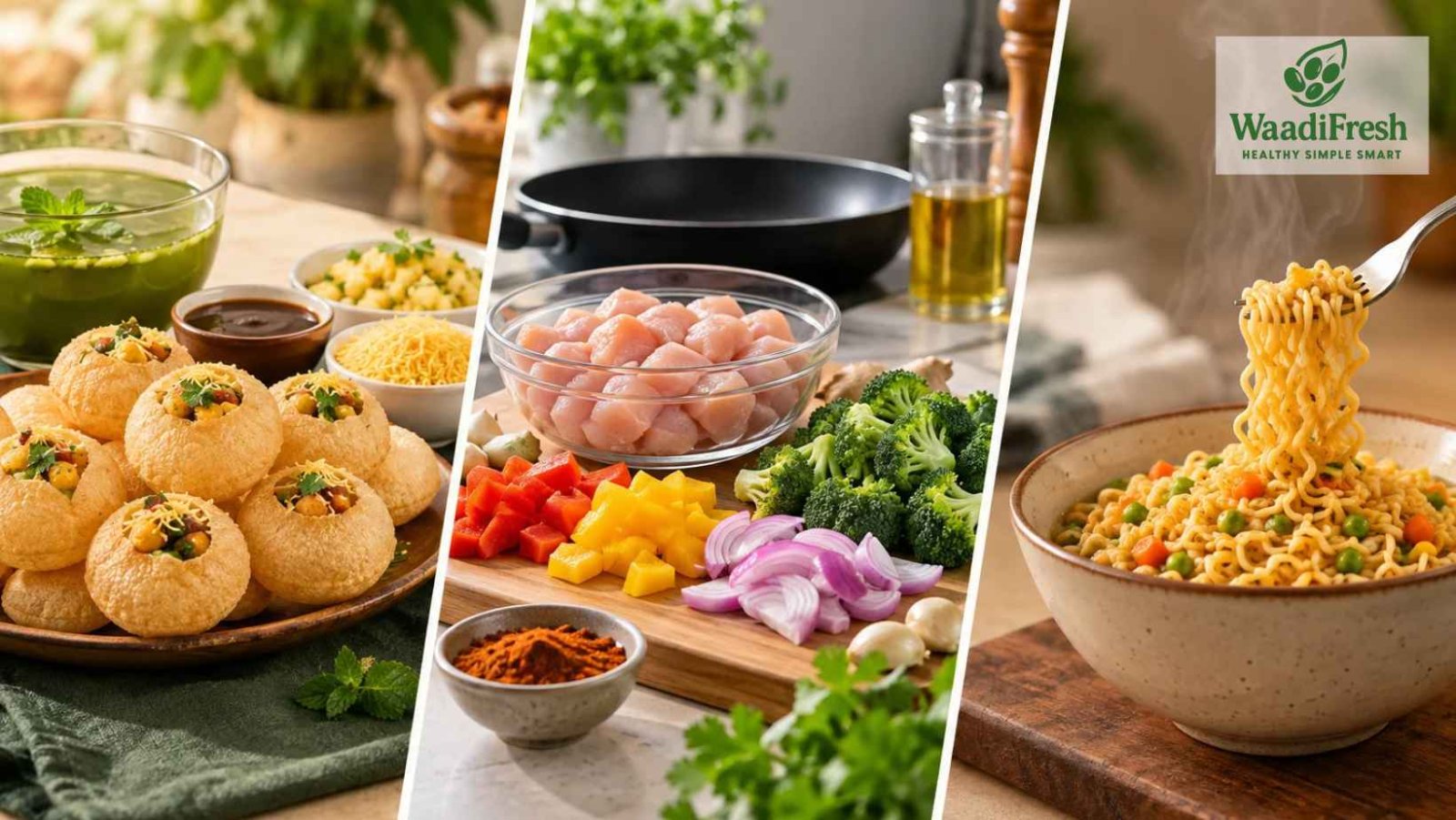
In simple words:Ready-to-eat food: Open, assemble or serve and eat.
Ready-to-cook food: Prepare or cook before eating.
Instant food: Designed to be prepared very quickly, often with simple steps such as adding hot water or heating.
Understanding the difference can help you choose the right food for your lifestyle, whether you are looking for a quick snack at home, something for a party or convenient food while travelling.
What Is Ready-to-Eat Food?
Ready-to-eat food is food that requires little or no cooking before you consume it.
Depending on the product, you may simply need to:
-
Open the package
-
Assemble the ingredients
-
Add a provided sauce or chutney
-
Heat the food, if instructed
-
Serve and eat
The biggest advantage is convenience.
You don't have to start the entire preparation process from scratch.
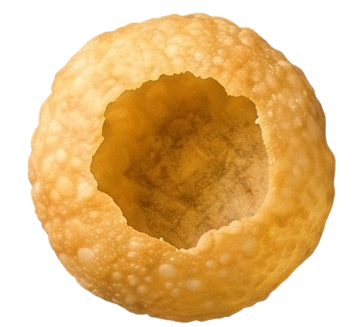
For example, ready-to-eat pani puri can bring together the components needed to enjoy pani puri at home without requiring you to separately prepare every ingredient.
This makes ready-to-eat food particularly useful when you want something quick but still want to enjoy a familiar food experience.
What Is Ready-to-Cook Food?
Ready-to-cook food is prepared or partially prepared food that still needs cooking before it can be eaten.
The preparation work has already been reduced, but you still need to use a stove, oven, microwave or another cooking method, depending on the product.
Examples can include:
-
Marinated vegetables or meat
-
Pre-cut cooking ingredients
-
Frozen snacks that need frying or baking
-
Pre-prepared meal components
-
Dough or batter-based products that need cooking
Ready-to-cook = Less preparation, but cooking is still required.
It is useful when you want the convenience of prepared ingredients without completely giving up the cooking process.
What Is Instant Food?
Instant food is designed to be prepared in a very short amount of time.
It often requires a simple step such as:
-
Adding hot water
-
Heating
-
Mixing
-
Rehydrating
-
Following a short preparation process
Instant noodles are one of the most familiar examples.
However, instant food and ready-to-eat food are not the same thing.
Instant food generally requires some preparation before consumption, while ready-to-eat food is designed to be consumed with minimal preparation.
Ready-to-Eat vs Ready-to-Cook vs Instant Food
Here is the easiest way to understand the difference:
| Type | Cooking Required? | Preparation | Main Benefit |
|---|---|---|---|
| Ready-to-Eat | Usually no, depending on product instructions | Minimal | Maximum convenience |
| Ready-to-Cook | Yes | Moderate | Saves preparation time |
| Instant Food | Usually some heating or preparation | Very little | Quick preparation |
The exact preparation can vary from one product to another, so it is always important to follow the instructions on the package.
What Is the Main Difference Between Ready-to-Eat and Ready-to-Cook Food?
The biggest difference is whether the food needs to be cooked before eating.
With ready-to-eat food, the product is intended to be eaten with little or no cooking.
With ready-to-cook food, cooking is still an essential part of the process.
Think of it this way:Ready-to-eat:
"I want food now."
Ready-to-cook:
"I want to cook, but I don't want to start everything from scratch."
Both solve different problems.
What Is the Difference Between Ready-to-Eat and Instant Food?
Ready-to-eat and instant food are often confused because both are associated with convenience.
The difference is in the final preparation.
Ready-to-eat food is generally designed to be consumed directly or after minimal assembly or heating, according to the product instructions.
Instant food usually needs a quick preparation step before eating.
For example, a product that needs hot water and a few minutes before it can be consumed is generally considered an instant food rather than a ready-to-eat food.
Is Ready-to-Eat Food the Same as Packaged Food?
No.
Packaged food is a broad category.
Many foods are packaged but still require cooking.
For example, frozen foods, packaged ingredients and cooking mixes may all come in sealed packages but are not necessarily ready-to-eat.
Ready-to-eat describes how much preparation is needed before consumption, while packaged describes how the product is presented or stored.
Is Ready-to-Eat Food Healthy?
Being ready-to-eat does not automatically make a food healthy or unhealthy.
The nutritional quality depends on the individual product.
When buying ready-to-eat food, look at:
-
Ingredients
-
Nutrition information
-
Serving size
-
Salt or sodium
-
Added sugar
-
Fat
-
Protein
-
Fibre
-
Storage instructions
Instead of asking:
"Is ready-to-eat food healthy?"
A better question is:
"What is in this particular ready-to-eat food?"
That gives you a much more useful answer.
Does Ready-to-Eat Food Always Contain Preservatives?
No.
Not every ready-to-eat product contains preservatives.
Food manufacturers can use different methods to maintain food quality and shelf life, depending on the product.
These can include:
-
Heat processing
-
Refrigeration
-
Freezing
-
Protective packaging
-
Hygienic processing
-
Approved preservatives, where applicable
If you want to know whether a particular product contains preservatives, check the ingredient list on the package.
Why Are Ready-to-Eat Foods Becoming Popular?
One word explains much of the demand:
Convenience.
Modern lifestyles are busy.
People have work, college, commuting, family responsibilities and social commitments. Spending a long time preparing every snack or meal is not always practical.
Ready-to-eat food can reduce:
Shopping → Preparation → Cooking → Cleaning
This is particularly useful for snacks.
You may not want to spend an hour preparing something when you simply want to satisfy an evening craving.
Ready-to-Eat Food and Indian Snacks
The ready-to-eat category isn't limited to packaged meals.
Indian snacks and street foods can also fit naturally into the convenience-food space.
Think about popular foods such as:
-
Pani puri
-
Bhel
-
Chaat
-
Dahi puri
-
Sev puri
-
Regional Indian snacks
These foods are loved for their taste, but preparing them at home can involve multiple ingredients and several preparation steps.
This is where a convenient ready-to-eat format can make the experience easier.
Ready-to-Eat Pani Puri: A Simple Example
Pani puri is a great example of how convenience can change the way we enjoy a familiar food.
Traditionally, making pani puri at home may involve preparing:
-
Puris
-
Potato filling
-
Ragda
-
Mint chutney
-
Sweet chutney
-
Spiced pani
Then there is the actual assembly.
A ready-to-eat pani puri option can simplify this process by bringing important components together in a convenient format.
For people searching for ready to eat pani puri in Mumbai, the appeal is simple: enjoy a popular street-food experience at home without preparing every ingredient from scratch.
Looking for Ready-to-Eat Pani Puri on Blinkit?
Quick-commerce has also changed how consumers discover convenient food.
Instead of planning a grocery trip, people can search for snacks and food products through delivery platforms.
If you're searching for ready to eat pani puri Blinkit, the idea is particularly relevant for those looking for a quick snack at home.
Waadi Fresh offers a convenient pani puri format designed to make enjoying this popular Indian snack easier.
Depending on product and location availability, consumers can look for Waadi Fresh on relevant quick-commerce platforms.
The idea is simple: your pani puri craving doesn't always need a long preparation process.
When Should You Choose Ready-to-Eat Food?
Ready-to-eat food can be particularly useful in situations where convenience matters.
After a Long WorkdayYou may want something tasty without spending a lot of time in the kitchen.
When Friends Come OverA ready-to-eat snack can make serving food easier while allowing you to spend more time with your guests.
During Movie NightsSome food experiences are simply better when you can focus on the movie rather than cooking.
For Quick Evening SnacksWhen hunger strikes between meals, a convenient snack can save preparation time.
While TravellingSome ready-to-eat products can be useful during travel, provided their storage requirements are suitable for your journey.
When Should You Choose Ready-to-Cook Food?
Ready-to-cook food is a good option when you enjoy cooking but want to reduce preparation time.
For example, you may prefer ready-to-cook food when:
-
You want freshly cooked food
-
You have some time to prepare a meal
-
You don't want to chop or marinate ingredients
-
You want to customise the final dish
-
You enjoy cooking but want fewer preparation steps
It gives you a middle ground between completely cooking from scratch and simply opening a ready-to-eat product.
When Should You Choose Instant Food?
Instant food works well when you need something quickly and don't mind doing a small amount of preparation.
It can be useful for:
-
Quick breakfasts
-
College or hostel meals
-
Late-night hunger
-
Office breaks
-
Quick snacks
-
Busy days
However, as with any packaged food, check the ingredients and nutrition information rather than choosing only based on convenience.
Which Is Better: Ready-to-Eat, Ready-to-Cook or Instant?
There is no single winner.
The right option depends on what you need at that moment.
Choose ready-to-eat when convenience is your priority.
Choose ready-to-cook when you want to cook but want to save preparation time.
Choose instant food when you want something that can be prepared in just a few minutes.
A simple decision:Want to eat immediately? → Ready-to-eat
Want to cook with less preparation? → Ready-to-cook
Want a very quick preparation? → Instant food
What Should You Check Before Buying Convenient Food?
Regardless of which category you choose, don't forget to check the product label.
Check the ingredientsUnderstand what is included in the product.
Check nutrition informationLook at serving size and relevant nutritional values.
Check the datePay attention to the applicable expiry or best-before information.
Check the packagingAvoid products with damaged or leaking packaging.
Check storage instructionsSome products may require refrigeration or specific storage conditions.
Check preparation instructionsDon't assume that every product works the same way. Follow the instructions provided by the manufacturer.
The Future of Convenient Food
The food industry is moving towards products that fit naturally into busy lifestyles.
But convenience alone is not enough.
Consumers still care about:
Taste. Quality. Food safety. Value. Simplicity.
This is especially important for Indian food.
People don't necessarily want to replace the foods they love. They want easier ways to enjoy them.
That's why the ready-to-eat category has an interesting opportunity in Indian street food.
The future may not be about choosing between traditional food and convenience.
It may be about finding ways to bring the two together.
Frequently Asked Questions
What is ready-to-eat food?Ready-to-eat food is food designed to be consumed with little or no cooking, depending on the product's instructions.
What is ready-to-cook food?Ready-to-cook food is partially prepared food that still requires cooking before it can be eaten.
What is instant food?Instant food is designed for very quick preparation, often involving heating, adding water or another simple preparation step.
Is ready-to-eat the same as instant food?No. Ready-to-eat food generally requires little or no preparation, while instant food usually requires a quick preparation step.
Is packaged food always ready-to-eat?No. Packaged food can include products that need cooking, heating or other preparation.
Which is more convenient: ready-to-eat or ready-to-cook?Ready-to-eat food generally requires less preparation because ready-to-cook food still needs to be cooked.
Is ready-to-eat food healthy?It depends on the individual product. Check the ingredients, nutrition information, serving size and overall composition.
Does ready-to-eat food contain preservatives?Not necessarily. Different products use different preservation and processing methods. Check the ingredient list for the specific product.
Is pani puri available in ready-to-eat form?Yes. Ready-to-eat pani puri products are available in convenient formats that reduce the amount of preparation needed at home.
Where can I find ready-to-eat pani puri in Mumbai?Consumers looking for ready to eat pani puri in Mumbai can explore local stores and quick-commerce platforms where such products are listed, subject to product and location availability.
Can I find ready-to-eat pani puri on Blinkit?If available in your location, you can search for ready to eat pani puri on Blinkit and check the products currently listed for your delivery area.
Final Takeaway
Ready-to-eat, ready-to-cook and instant food all offer convenience, but they solve different needs.
Ready-to-eat: Minimal preparation.
Ready-to-cook: Less preparation, but cooking is required.
Instant: Quick preparation.
The best choice depends on your time, preference and the type of food you want.
And when the craving is for something as much fun as pani puri, convenience doesn't have to mean boring.
With options such as Waadi Fresh ready-to-eat pani puri, enjoying a favourite Indian street-food experience can become much simpler.
Less preparation. More food. More time to enjoy it.